在工程机械、矿山及冶金等重工业领域,轴承已不仅仅是普通标准零部件,而是直接影响设备可靠性、停机成本以及整体运行效率的关键部件。
不同应用工况对轴承的承载能力、抗冲击性能以及环境适应性提出了不同要求。若轴承选型不合理,往往会导致过早失效、设备频繁维护,甚至引发不可预期的生产停机,增加企业运营成本。
因此,在重型工业设备中,正确选择适合工况的轴承类型,对于提升设备使用寿命、降低维护频率以及保障连续生产具有重要意义。
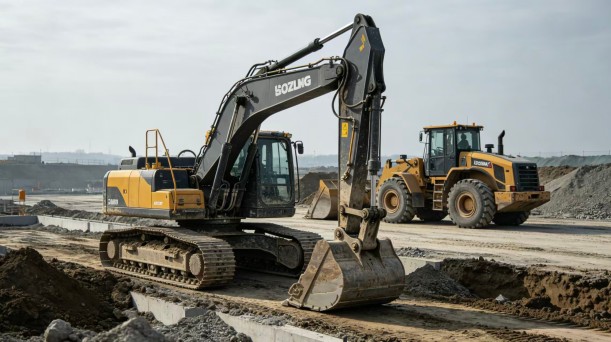
工程机械广泛应用于挖掘机、装载机、叉车、压路机等设备。
这些设备通常运行于粉尘、泥浆、冲击载荷以及高强度作业环境中,具有:
高冲击负载
频繁启停循环
多方向复合载荷
持续振动与污染环境
因此,对轴承系统的可靠性和耐久性提出了极高要求。
工程机械中的轴承主要应用于:
动臂回转机构
铲斗传动系统
轮毂总成
液压马达系统
齿轮箱及减速系统
转向系统
这些关键部位直接影响设备运行稳定性、作业效率以及使用安全。
工程机械轴承通常需要面对以下复杂工况:
在岩石破碎、土方挖掘等作业过程中,轴承会承受瞬间冲击载荷,对抗冲击能力提出更高要求。
设备在工作过程中频繁启动、停止,并伴随突然变化的负载,对轴承疲劳寿命造成较大影响。
轴承需要同时承受不同方向的载荷变化,包括径向载荷、轴向载荷以及倾斜负载。
长期暴露于恶劣环境中,要求轴承具备优秀的密封性能、防污染能力和结构耐久性。
工程设备通常要求较长运行周期,因此轴承必须保持稳定性能,降低维护频率和停机风险。
针对工程机械的高负载、强冲击以及复杂运行条件,需要根据具体应用选择合适的轴承结构。
适用于同时承受径向载荷和轴向载荷的应用场景。
主要优势:
高承载能力
优异的轴向定位性能
适用于轮毂、传动系统等重载部位
适用于存在安装偏差、轴挠曲以及冲击载荷的应用。
主要优势:
自动调心能力强
可承受较大径向载荷
适合矿山设备、重型机械等恶劣工况
主要应用于需要高刚性和高旋转精度的回转机构。
主要优势:
高刚度结构
支撑精度高
适用于回转平台、旋转机构
适用于空间受限且需要双向轴向承载能力的应用。
主要优势:
结构紧凑
可承受双向轴向载荷
节省安装空间
适用于摆动运动、低速运行以及冲击载荷环境。
主要优势:
良好的抗冲击性能
适应角度偏差
适用于工程机械连接部位
适用于空间有限但要求高承载能力的低速应用。
主要优势:
径向承载能力高
结构紧凑
节省安装空间
作为通用型轴承,适用于辅助支撑位置及一般旋转部件。
主要优势:
通用性强
高速性能良好
易于维护和替换
适用于驱动系统和减速系统中的高径向载荷工况。
主要优势:
高径向承载能力
良好的刚性
适合重载连续运行
在工程机械应用中,轴承不仅需要满足基本的“旋转”功能,更重要的是:
在冲击载荷下保持稳定运行
在安装偏差条件下维持可靠性能
在粉尘、泥浆和振动环境中延长使用寿命
降低设备停机时间和维护成本
对于OEM制造商、设备维修企业以及工业分销商而言,正确的轴承选型不仅关系到零部件性能,更直接影响设备整体可靠性和生命周期成本。
2026-06-17
下一篇:风力发电 | 陆上和海上风力发电机整机