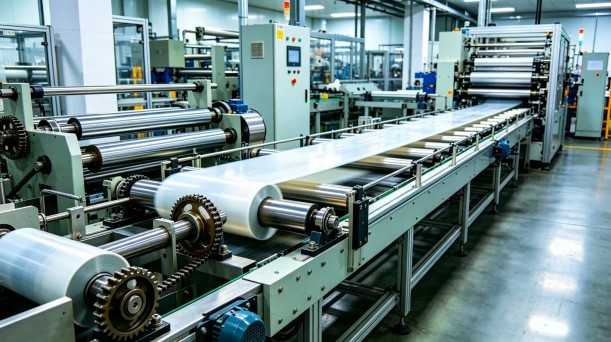
轻型工业机械通常具有生产频率高、连续运行时间长等特点。虽然其承受的载荷并不一定达到极限水平,但对于轴承的运行精度、低噪音性能以及稳定性提出了较高要求。
在高速自动化生产环境中,轴承性能会直接影响设备运行效率、产品质量以及生产线稳定性。
轻型工业机械中的轴承主要应用于:
辊轴系统
传动齿轮系统
输送系统
主要运行主轴
这些部件需要长期保持稳定旋转,以确保生产设备持续、高效运行。
轻型工业设备中的轴承通常需要满足以下工况:
生产设备通常以较高速度连续运行,对轴承提出:
高速性能要求
低摩擦要求
稳定运行要求
工业生产线通常需要保持高开机率,轴承必须具备:
长使用寿命
稳定性能表现
较低维护需求
对于自动化设备、精密机械而言,轴承需要控制:
运行噪音
振动水平
旋转不平衡问题
以保证设备运行品质。
设备可能根据生产流程需要:
高速运行
中速传动
间歇运动
因此轴承需要具备良好的速度适应能力。
虽然轻型工业机械通常不承受极端载荷,但对以下性能要求较高:
尺寸精度
运行稳定性
批次一致性
根据不同设备结构和运行条件,可选择以下轴承类型:
广泛应用于高速、低噪音运行场景。
主要特点:
高速性能优良
摩擦阻力低
通用性强
典型应用:
电机
自动化设备
高速旋转机构
适用于长轴结构或存在安装偏差的应用。
主要特点:
可补偿轴系偏差
提高运行稳定性
降低安装误差影响
适用于负载较高或存在冲击的工作部位。
主要特点:
承载能力强
抗冲击性能好
适应复杂工况
适用于稳定径向载荷传递。
主要特点:
径向承载能力高
刚性较好
适合连续运行
适用于需要同时承受径向和轴向载荷的传动系统。
主要特点:
复合载荷承载能力强
定位性能良好
适用于空间受限的机械结构。
主要特点:
结构紧凑
单位体积承载能力高
节省安装空间
适用于输送系统等需要快速安装和维护的设备。
主要特点:
安装方便
维护简单
更换效率高
在连续生产环境中,轴承性能经常容易被低估。
然而,以下问题:
噪音增加
振动升高
温度轻微上升
都可能是设备效率下降和轴承状态恶化的早期信号。
轴承性能会直接影响:
低摩擦、高效率轴承能够降低机械损耗,提高设备能源利用率。
高精度轴承有助于:
降低运行噪音
提高设备舒适性
延长机械寿命
稳定运行的轴承能够保证:
产品一致性
设备精度
连续生产能力
可靠的轴承方案能够减少:
非计划停机
零件更换次数
维护成本
即使轴承选型上的小幅优化,也可能在长期生产过程中显著提升整体运行效率。
对于OEM制造商和设备维护工程师而言,轴承选型通常重点关注:
确保设备在长时间运行过程中保持可靠性能。
降低:
能量损耗
运行温升
机械阻力
尤其适用于:
自动化设备
精密机械
高速生产线
包括:
易安装设计
标准化尺寸
便于替换维护
满足:
批量生产需求
长期供应稳定性
产品一致性要求
对于大规模应用而言,采购不仅关注单个轴承价格,更关注:
使用寿命
维护成本
综合运行成本(TCO)
轻型工业机械中的轴承虽然通常不承受极端载荷,但其高速运行、低噪音、高精度和长期稳定性要求决定了轴承选型的重要性。
对于OEM制造商和工业设备用户而言,选择合适的轴承类型,不仅能够提升设备运行效率,还能降低维护成本,提高生产线整体可靠性。
2026-06-18
下一篇:自动化流水线与工业机器人 | 输送线、机械手、减速机